The Perks of Using a Diagnostic Repair Service for Your Car
The advantages of utilizing a vehicle diagnostic service for a motor vehicle are substantial and wide-ranging. Such services improve performance and safety while stopping small problems from escalating into serious concerns. By spotting potential problems ahead of time, they contribute to maintaining the automobile's dependability and efficiency. Yet, many motorists neglect the value of routine diagnostic checks. Recognizing what such services deliver can result in better-informed choices about vehicle maintenance and longevity. What criteria should one evaluate when choosing a diagnostic service?
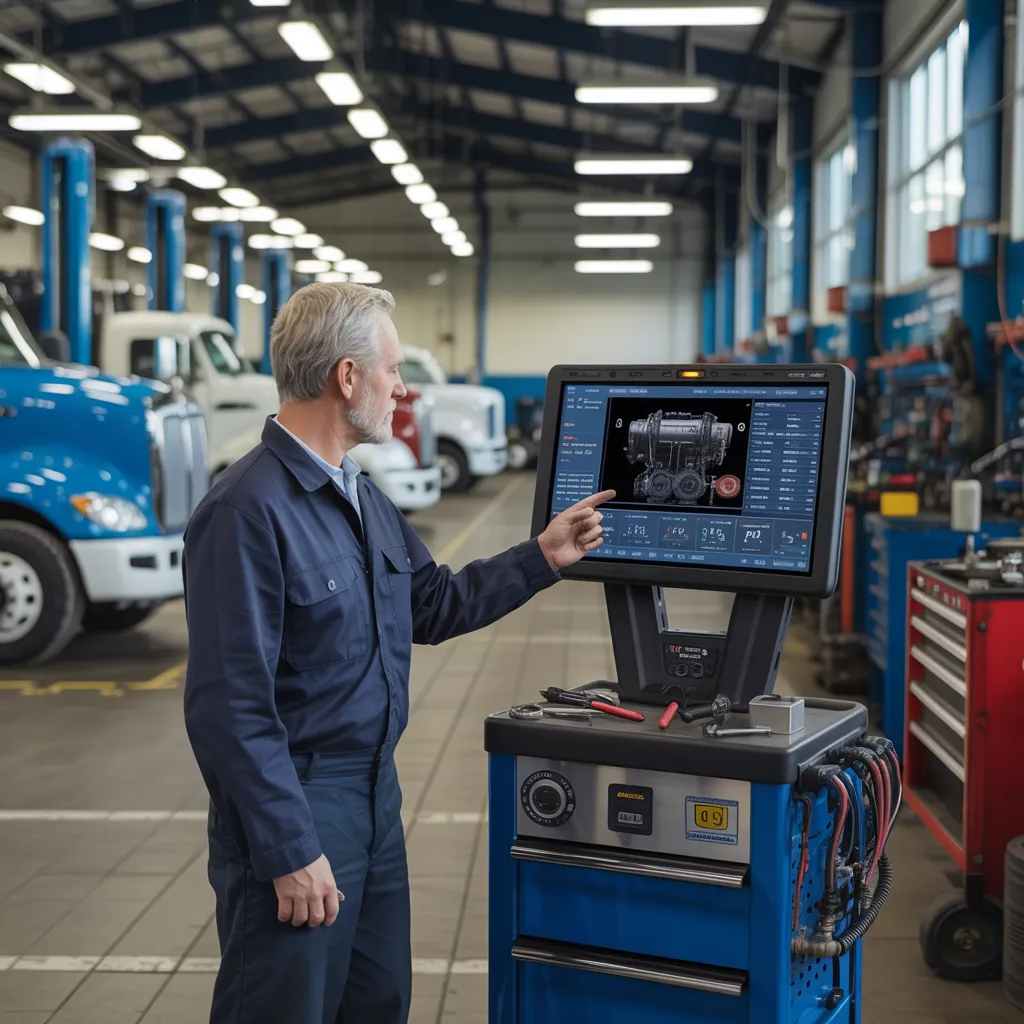
The Significance of Diagnostic Repair Services
Diagnostic repair services play an essential role in keeping vehicles performing safely and efficiently. These services utilize advanced technology and specialized equipment to examine a vehicle's systems, detecting potential problems before they develop into major concerns. By conducting thorough diagnostics, technicians are able to identify malfunctions in essential components such as the engine, transmission, and electrical systems.
This forward-thinking method not only extends the lifespan of the vehicle but also ensures optimal fuel efficiency and dependability. Additionally, diagnostic services help in adhering to safety regulations, reducing the risk of accidents caused by mechanical failures. Regular diagnostics contribute to informed decision-making regarding repairs and maintenance, potentially saving owners significant costs in the long run. At its core, the significance of diagnostic repair services stems from their ability to offer peace of mind, confirming that vehicles perform reliably and safely on the road.
Frequent Vehicle Problems Identified Accurately
A large number of vehicle owners experience a variety of frequent concerns that can be effectively diagnosed through specialized services. Such problems commonly involve engine problems, transmission difficulties, and electrical system malfunctions. For instance, engines can display irregular noises or a notable drop in performance, prompting a need for thorough examination. Problems with the transmission can appear as gear slippage or uneven shifting, which can be identified through diagnostic assessments.
Furthermore, indicator lights on the dashboard can flag numerous issues, from slight to serious, indicating the necessity of urgent action. Brake-related concerns, such as squeaking or reduced responsiveness, also necessitate precise diagnosis to ensure safety. By utilizing professional diagnostic services, vehicle owners can identify these problems early, avoiding additional damage and expensive repairs. Essentially, identifying and resolving these typical car problems through expert diagnosis fosters both vehicle longevity and driver safety.
How Diagnostic Tools Pinpoint Vehicle Issues Effectively
Diagnostic systems leverage advanced technology to identify vehicle problems with remarkable accuracy. By integrating real-time data analysis, these tools can assess various systems within the vehicle, offering real-time feedback on efficiency and underlying concerns. This accuracy improves the productivity of repair procedures, ultimately contributing to improved vehicle care.
Sophisticated Technology Integration
With vehicles growing more complex, the incorporation of sophisticated diagnostic tools has transformed how problems are detected and resolved. Today's diagnostic systems make use of refined software and hardware to assess a vehicle's electronic systems, empowering technicians to locate faults with impressive accuracy. These tools can read error codes, monitor sensor data, and even perform system checks in real time. By translating intricate vehicle data into understandable information, they assist in removing uncertainty and shortening repair durations. Furthermore, the application of advanced technology ensures that technicians remain informed about the newest vehicle models and their unique needs. This precision not only enhances the efficiency of repairs but also improves overall vehicle safety and performance, making diagnostic repair services indispensable.
Real-Time Data Analysis
Harnessing live data processing, contemporary diagnostic equipment efficiently identify car malfunctions with precision. These devices capture and process readings from numerous sensors throughout the vehicle, allowing technicians to identify problems swiftly. Through monitoring essential metrics such as engine performance, fuel efficiency, and emission levels, mechanics can uncover hidden issues that could be missed during a routine examination. This proactive approach allows for timely interventions, lowering the chances of significant deterioration and high repair costs. In addition, instant data can enhance interaction between the mechanic and the vehicle owner, ensuring transparency regarding the issues and recommended solutions. In summary, employing real-time data processing significantly improves the precision and effectiveness of vehicle diagnostics.
Why Do Experienced Technicians Matter in Diagnostics?
Skilled technicians play a vital role in automotive diagnostics due to their superior technical understanding. Their knowledge enables swift problem identification, decreasing downtime for car owners. In addition, qualified technicians enhance repair accuracy, confirming that issues are addressed accurately on the first attempt.
Comprehensive Technical Proficiency
Technical knowledge serves a fundamental purpose in the success of automotive diagnostics. Seasoned technicians maintain a thorough grasp of automotive systems, empowering them to precisely analyze complex diagnostic tool data. Their extensive training allows them to recognize patterns and anomalies that less experienced individuals might overlook. This in-depth expertise ensures technicians read more can accurately separate minor faults from serious complications, resulting in more precise diagnoses. Additionally, seasoned professionals are usually familiar with the latest technological advancements, which are essential in contemporary vehicles. Their commitment to keeping pace with industry changes improves their diagnostic proficiency, establishing them as essential assets in uncovering underlying problems rapidly and effectively. Consequently, their proficiency leads to higher quality and more efficient automotive repairs.
Effective Issue Detection
Precise problem detection is critical in vehicle diagnostics, and the skill of seasoned technicians greatly enhances this process. Experienced technicians possess a comprehensive grasp of various vehicle systems, allowing them to quickly pinpoint issues that may evade less knowledgeable mechanics. Their proficiency with vehicle diagnostic instruments enables them to interpret data effectively, leading to swifter and more accurate conclusions. Additionally, veteran mechanics can draw on past experiences to identify patterns in vehicle performance, facilitating swift identification of persistent faults. This effectiveness not only preserves time but also minimizes the risk of misdiagnosis, ensuring that the right problems are addressed promptly. As a result, investing in skilled technicians for vehicle diagnostics leads to improved overall vehicle performance and longevity.
Superior Repair Exactness
Reaching superior repair accuracy copyrights on the skill of mechanics who have a deep foundation in vehicle diagnostics. Skilled automotive professionals are knowledgeable about the complexities of diverse automotive systems, empowering them to pinpoint faults with precision. Their thorough preparation and hands-on experience allow them to employ sophisticated diagnostic equipment efficiently, ensuring that issues are accurately detected on the first attempt. This minimizes the chances of misdiagnoses and unnecessary repairs, consistently reducing costs and effort for vehicle owners. Additionally, their knowledge of OEM standards guarantees that repairs are performed to the highest standards. Essentially, the proficiency of experienced mechanics is crucial in reaching reliable diagnostic conclusions, resulting in enhanced automotive reliability and durability.
Cost-Saving Benefits of Early Diagnostic Repair Services
Timely diagnostic repair services give vehicle owners significant cost-saving advantages. Resolving problems early can stop small faults from developing into serious repairs, which often result in greater labor and component expenses. By diagnosing and addressing issues promptly, vehicle owners can prolong the life of their vehicles, reducing the frequency of costly repairs and replacements.
In addition, timely diagnostics contribute to optimizing vehicle performance, leading to improved fuel efficiency. A well-maintained vehicle is less likely to suffer from unexpected breakdowns, sparing owners the cost of roadside assistance and towing fees. Additionally, routine diagnostic checks are capable of identifying underlying problems that are not always obvious, permitting timely intervention before such problems develop into critical concerns.
When all is said and done, utilizing timely vehicle diagnostics not only safeguards a vehicle's present performance but also enhances ongoing monetary advantages, making it a prudent option for proactive vehicle owners.
Understanding Signs That Suggest the Need for Diagnostic Services
Car owners should be vigilant in identifying symptoms that suggest the need for vehicle diagnostics. Strange sounds, such as grinding or knocking sounds, can signal possible mechanical problems that require immediate attention. Moreover, warning lights on the dashboard, especially the check engine light, should never be ignored, as they often indicate underlying problems.
Alterations in how your vehicle performs, like sluggish acceleration or hard starting, might also signal the importance of a thorough diagnostic evaluation. Fluctuating fuel efficiency can suggest engine or fuel system issues that could benefit from prompt professional assessment.
Ultimately, continuous vibrations or steering difficulties can point to alignment or suspension problems. By paying close attention to these indicators, car owners can take initiative in seeking diagnostic assessments, keeping their vehicles safe and dependable while potentially reducing the cost of major repairs over time.
Frequently Asked Questions
How Regularly Should I Get My Car Diagnosed?
A car should usually be inspected on a yearly basis or whenever dashboard warning lights illuminate. Regular diagnostics help identify underlying issues early, ensuring peak performance and reducing the risk of costly repairs, ultimately increasing the longevity of the vehicle and boosting overall safety.
Am I Able to Carry Out Diagnostics by Myself at Home?
Yes, one can run diagnostic checks at home with cost-effective OBD-II scanning tools. Even so, while minor issues are often detected, advanced issues often require expert knowledge to ensure a thorough diagnosis and proper repair solutions.
What Types of Vehicles Benefit Most From Diagnostic Services?
High-end cars, hybrid models, and vehicles equipped with advanced technology benefit most from diagnostic services. Their complex electronics require specialized tools and expertise, ensuring accurate problem identification and efficient repairs to sustain maximum operational efficiency and safe driving conditions.
Do Diagnostic Repairs Fall Under Warranty Coverage?
Diagnostic repair services could be included under warranty coverage, subject to the specific terms and conditions associated with the warranty. Automobile owners should check their warranty paperwork or reach out to their provider to identify the coverage specifics for these types of services.
What Is the Average Duration of a Diagnostic Service?
A routine diagnostic service usually takes between one and two hours, according to the complexity of the vehicle and the specific issues being investigated. Factors like the technician's expertise and diagnostic equipment also influence the duration of the service.
Elevate